By Dickson Pat
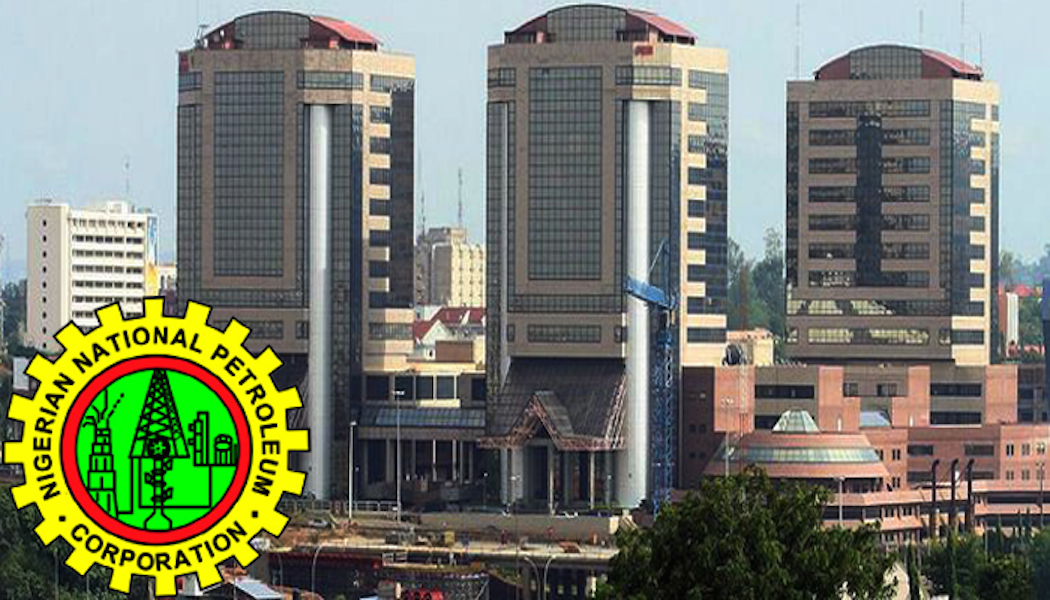
Group Chief Executive Officer of the Nigerian National Petroleum Company Limited ,NNPCL, Mr. Bayo Ojulari, has called on African energy stakeholders to insulate the continent’s refining ambitions from capital flight and short-term investment patterns, urging a decisive shift towards coordinated action and indigenous ownership.
Speaking at the opening session of the Global Commodity Insights Conference on the West African Refined Fuel Market organized in partnership with S&P Global Commodity Insights, Ojulari warned that Africa’s continued export of crude and import of refined products at a premium had entrenched a costly imbalance that threatens the continent’s energy sovereignty and industrial future.
“Our refining vision must not be hostage to capital flight”, Ojulari said. “Africa must move from declarations to delivery, from national ambitions to regional execution. We must transform from fragmented development into a system-scale transformation powered by bold investments and resilient partnerships”.
He emphasized that the theme of the conference, “Building an African Refining World” was timely and necessary, given the continent’s population growth, rising energy demand, and strategic place in the global energy transition.
Citing International Energy Agency projections, he noted that global energy demand is set to rise by over 25% by 2040, with Africa contributing significantly to both consumption and population growth.
Ojulari painted a paradoxical picture of the current landscape, noting that while over 80% of the world’s energy is still fossil-based, Africa remains dependent on refined imports despite being a major crude exporter.
“This structural asymmetry depletes value, weakens our industrialization efforts, and compromises our energy independence”, he said.
Highlighting NNPC’s own efforts, including the strategic repositioning of its refineries, equity stake in the Dangote Refinery, and support for third-party projects, Ojulari said building an African refining hub was not just aspirational but essential.
He identified chronic underinvestment, fragmented regulations, and policy inconsistencies as major bottlenecks, but said these could be turned into catalytic opportunities with unified action.
“Africa needs a continental strategy driven by shared markets, integrated infrastructure, and harmonized policies”, he stated.
Ojulari called for the design of infrastructure that supports integration, resilience, and connectivity with refineries strategically located near ports and demand centers, supported by digital, secure, and climate-resilient transport corridors.
On financing, the NNPC boss advocated a blended approach that includes development finance institutions, sovereign wealth funds, and private equity.
He also stressed the need for regional public-private partnerships that offer risk-balanced guarantees and support for large-scale projects.
“Refinery ownership should not just be about equity”, he said. “It must involve transformational local participation that retains value and builds national wealth. Indigenous SMEs and local content policies must be central to the equation”.
Ojulari charged stakeholders to focus not just on refining fuels, but on refining the continent’s future. “This is a call to action not just for policy makers or national oil companies but for all of us who believe in an inclusive, resilient, and globally competitive African refining ecosystem”, he said.
He also commended the Nigerian Midstream and Downstream Petroleum Regulatory Authority ,NMDPRA, for championing the initiative, reaffirming NNPC’s commitment to co-create, co-invest, and co-lead the continent’s refining renaissance.