By Paul Effiong, Abuja
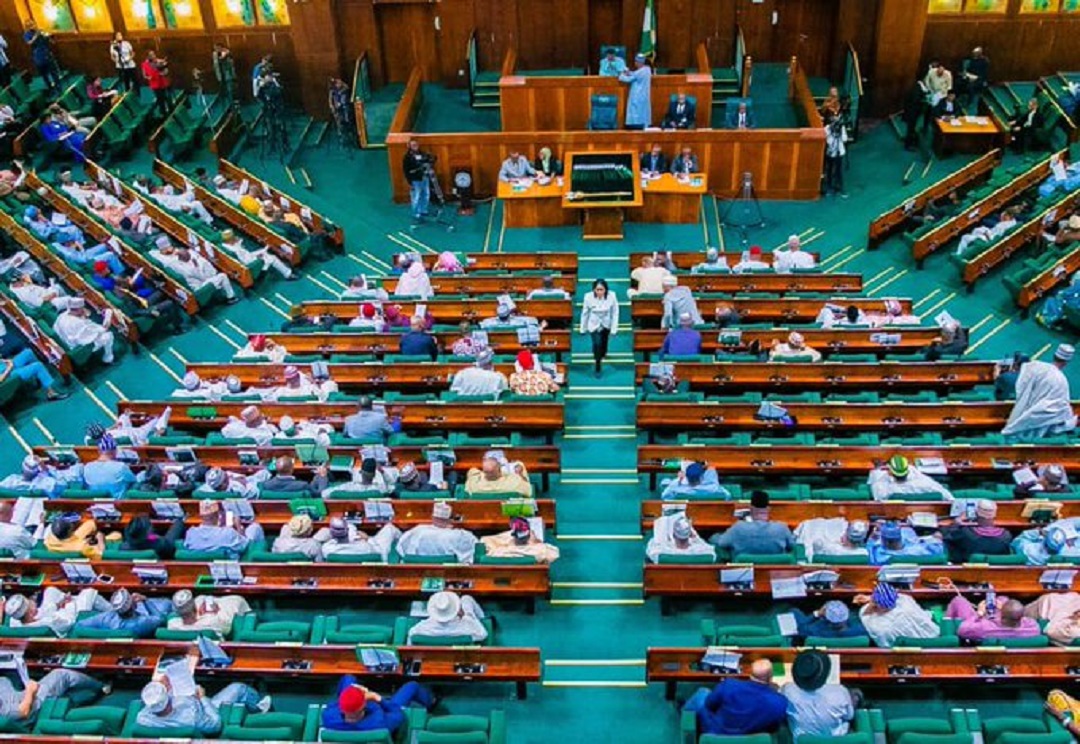
Speaker of the House of Representatives, Tajudeen Abbas, yesterday, reaffirmed the commitment of the 10th National Assembly to make viable laws for the protection and empowerment of all women in politics across the country.
Speaker Abbas disclosed this while speaking at the maiden edition of Nigerian Women Leadership and Empowerment Conference 2025 held in Abuja.
Abbas, who spoke on the theme, ‘Investing in Nigerian Women, Securing Our Future,’ emphasised the importance of gender-inclusive governance and good policies that will ensure equal representation for women in Nigeria.
He encouraged women to contest political positions of their choice, even as he also assured them of legislative support to enable them achieve their political and economic aspirations.
“We will enact robust legislation to safeguard women in politics from violence and intimidation, aligning our political framework with the constitution’s principles of fairness and freedom,” he said.
The speaker disclosed that the House of Representatives under his leadership recently introduced a legislative agenda prioritising women’s political participation and economic empowerment across the country.
He, however, encouraged them never to give up in pushing for their political aspirations, emphasising that under his leadership, all female lawmakers in the House are included in the Constitution Amendment Committee to ensure gender-sensitive policy making.
In her welcome remarks, the Chairman, House Committee on Women Affairs and Social Development, Kafilat Ogbara commended the speaker and his dDputy, Benjamin Kalu, for their effective oversight and quality leadership.
Ogbara highlighted the importance of the conference, observing that empowerment of women in cash and kind has no alternative.
The lawmaker lamented that although the constitution guarantees gender equality, most Nigerian women continue to face discrimination, underrepresentation and socio-economic challenges that hinder their full participation in leadership roles.