From Henry Ibya, Makurdi
Vulnerable groups, particularly widows and female sex workers in Benue State who suffer violent and human rights abuses, have been assured of adequate protection.
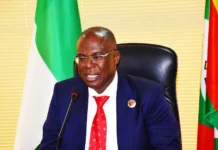
Speaking when he received a delegation from Concerned Women International Development Initiative, CWIDI, on behalf of the Benue State Commissioner for Justice and Public Order, in Makurdi, Assistant Director in the Directorate of Citizens’ Right, Sunday Sabe, described as inappropriate, a situation where certain categories of people such as widows and female sex workers are discriminated against or harmful cultural practices meted out to them on the basis of their nature of business or status in the society.
“I told somebody one day that yes, these people are sex workers but has any body ever cared to know the story behind what they are doing and why the line of business?” Sabe recalled, arguing that if some of them have better opportunities, they would certainly have a change of attitude and prefer to live a more decent life.
He argued that sometimes, some of those women were pushed to the wall, advocating for friendly government policies to rehabilitate such people, as well as give them adequate protection.
He advised that members of the public should understand that widows, Female Sex Workers, FSWs, and other vulnerable categories of people are human and deserve fair treatment.
According to him, no matter what these category of persons are doing, they deserve the fundamental human rights granted by the Constitution of the Federal Republic of Nigeria which gives every citizen, including widows, female sex workers and the most vulnerable, access to right to life, dignity and liberty of human person, as well as fair hearing.
He noted that the United Nations had observed a series of human rights abuses on women, stating that the general assembly, during an international convention, enacted a law that eliminated all forms of discrimination against women.
He added that the law was basically meant to protect the rights of women, especially the most vulnerable and affirmed that Nigeria has ratified some of the international treaties.
Sabe, who blamed the effectiveness of such laws on lack of implementation on the part of government, equally blamed supposed beneficiaries of such policies for lack of knowledge about what they should know and how to pursue justice using the various apparatus available, and commended CWIDI for standing in the gap for the most vulnerable in the society.
He called on other organisations to emulate CWIDI by initiating public awareness programmes to enlighten the vulnerable on how to pursue their rights when abused
In separate presentations, Programme Officer of CWIDI, Becky Gbihi and Precious Ifan thanked officers of the Directorate for the warm reception and for accepting to collaborate with CWIDI.
They advocated for stiffer penalties against abusers of the vulnerable, especially widows and female sex workers and to ensure that these category of people get justice when abused, as they are also protected by the law.
She added that punishing offenders will go a long way in curbing the menace, as it will serve as a deterrent to others, because people would become aware that the law does not discriminate and it is for everybody.